In the ever-evolving landscape of modern medicine, few treatments have gained as much traction among health-conscious individuals as peptide therapy. If you’re living in the UAE and looking for ways to optimize your vitality, whether that means faster recovery after a workout at the Burj Park or better skin resilience against the desert sun, understanding the science behind peptides is a great place to start.
This guide breaks down exactly what peptide therapy is, how it works at a cellular level, and what you need to know about safety.
What is Peptide Therapy?
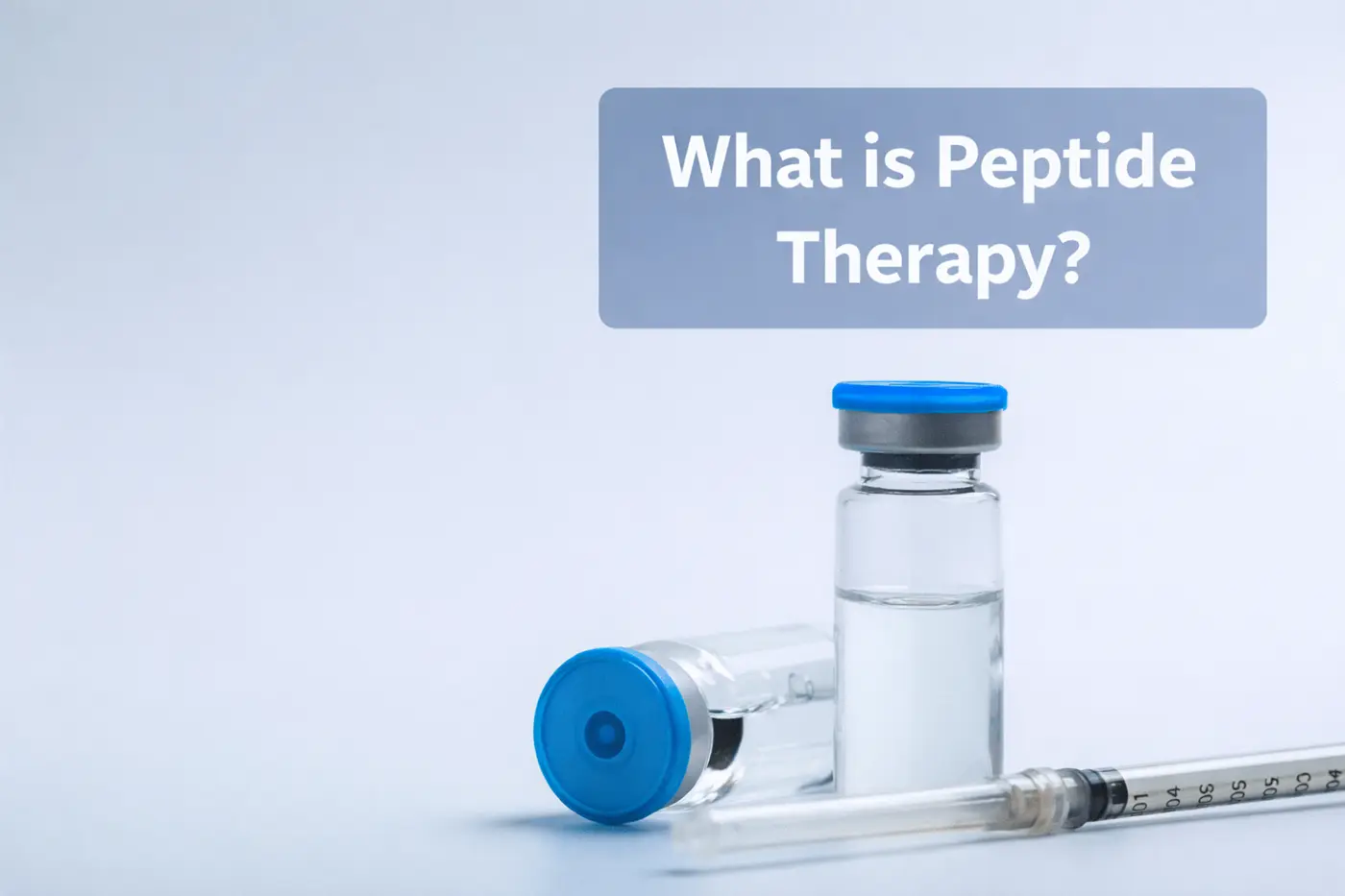
At its simplest, peptide therapy is the use of specific sequences of amino acids to signal your body to perform certain functions. Think of peptides as the “software” of your body. They are shorter than proteins but carry powerful instructions that tell your cells to repair tissue, burn fat, or boost your immune response.
While your body naturally produces over 7,000 types of peptides, these levels often decline as we age or face chronic stress. By using therapeutic peptides, we can essentially “re-supply” the body with the signals it needs to function at its peak.
How It Works: The Mechanism of Action
Peptides work by binding to specific receptors on the surface of your cells. This binding triggers a biological cascade a series of events that leads to a specific outcome.
Common mechanisms include:
- Hormone Stimulation: Certain peptides, like CJC-1295 and Ipamorelin, signal the pituitary gland to release more natural growth hormone.
- Angiogenesis & Repair: Peptides like BPC-157 promote the formation of new blood vessels and stimulate the healing of tendons, ligaments, and gut tissue.
- Metabolic Regulation: Peptides can inhibit certain enzymes to prevent fat storage or mimic hormones like GLP-1 to regulate appetite and blood sugar.
- Cell Signaling: They act as messengers that improve communication between cells, which is vital for cognitive function and immune resilience.
Common Peptides and Their Benefits
According to clinical insights and resources, different peptides are selected based on your unique health goals:
- BPC-157 (The Body Protection Compound): Widely used for injury recovery and reducing systemic inflammation.
- CJC-1295 & Ipamorelin: Often used together to improve sleep quality, lean muscle mass, and energy levels.
- PT-141 (Bremelanotide): Known for its ability to treat sexual dysfunction and boost libido in both men and women.
- GHK-Cu (Copper Peptide): A favorite for aesthetic health, helping to stimulate collagen production and reduce fine lines.
- Thymosin Alpha-1: Used to modulate and strengthen the immune system.
Is Peptide Therapy Safe?
Safety is the most important factor when considering any medical intervention. Because peptides are naturally occurring molecules (or bio-identical versions), they are generally well-tolerated by the human body. Unlike many synthetic pharmaceuticals, they tend to have a “targeted” effect, meaning they don’t interfere with unrelated systems.
However, natural doesn’t mean unregulated. To ensure your safety, it is essential to:
- Consult a Professional: Only use peptides under the supervision of a licensed clinician who can monitor your blood work.
- Verify the Source: Ensure the peptides are pharmaceutical-grade and sourced from reputable clinics.
- Monitor Dosage: Overuse can lead to side effects like water retention or hormonal imbalances.
Frequently Asked Questions (Q&A)
Q: Are there any side effects?
A: Most people experience very few side effects. The most common is a minor reaction at the injection site (redness or itching). Less commonly, users might notice mild water retention, fatigue, or increased hunger depending on the specific peptide used.
Q: How are peptides administered?
A: While some peptides come in oral or topical forms, the most effective method is usually a small subcutaneous injection (just under the skin). This ensures the peptide enters the bloodstream directly without being broken down by stomach acids.
Q: How long does it take to see results?
A: This depends on the goal. Healing peptides like BPC-157 can show results within days, while fat loss or anti-aging peptides might take 3 to 6 months of consistent use to notice significant changes.
Q: Can I take peptides if I am on other medications?
A: Because peptides act as signaling molecules, they can interact with certain treatments. This is why a full medical history and clinician consultation are mandatory before starting any protocol.
The Clinician’s Perspective on Safety Best Practices
To get the most out of your therapy while staying safe, we recommend following these Golden Rules:
- Baseline Testing: Always start with a comprehensive blood panel to check your current hormone and metabolic levels.
- Cycle Your Therapy: Most clinicians recommend cycling peptides (e.g., 5 days on, 2 days off) to prevent the body from becoming desensitized to the signals.
- Professional Oversight: Never self-diagnose. A clinician can adjust your dosage based on how your body responds over the first few weeks.
- Storage Matters: Many injectable peptides are fragile and must be kept refrigerated to remain effective.
Final Thoughts
Peptide therapy represents a shift toward more personalized, intelligent medicine. By understanding how these molecules communicate with your cells, you can take a proactive approach to your health that goes beyond traditional supplements.
If you are looking to enhance your performance, recover faster, or simply feel more like you again, peptide therapy might be the missing piece of your wellness puzzle.
Disclaimer: This article is for informational purposes and does not constitute medical advice. Always consult with a healthcare professional before starting any new treatment.