
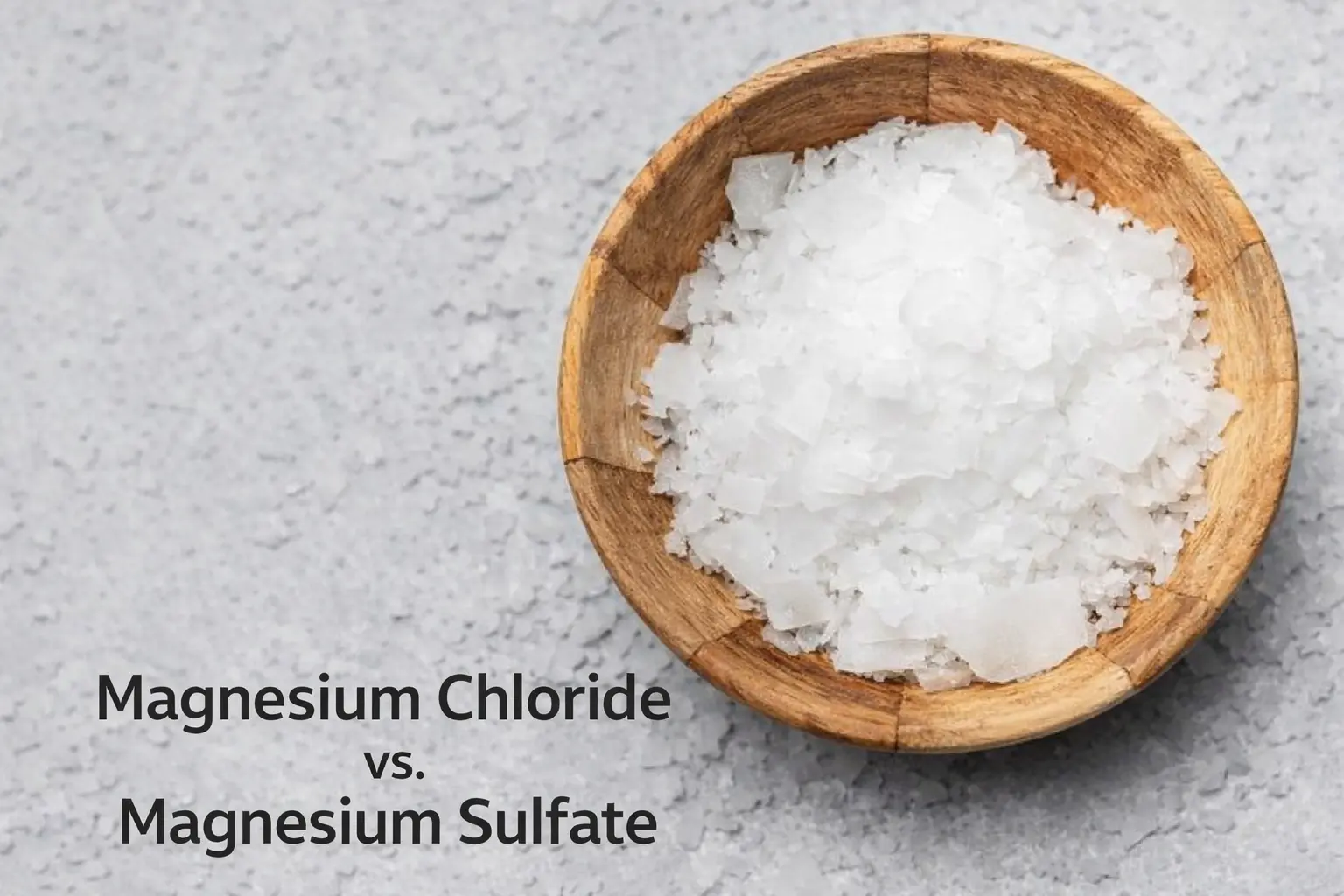
In the clinical world of parenteral mineral replacement, magnesium is often regarded as the “forgotten electrolyte,” yet it is a fundamental cofactor for over 300 enzymatic reactions, including energy metabolism and nucleic acid synthesis. When intravenous intervention is required, clinicians and health optimizers generally choose between two primary salts: Magnesium Chloride and Magnesium Sulfate.
While they are often used interchangeably for general replacement, their molecular structures and specific clinical applications offer distinct advantages depending on the patient’s needs.
The Molecular Breakdown
The primary difference between these two compounds lies in their accompanying anions, which dictate their chemical behavior and bioavailability.
- Magnesium Chloride: Consists of a magnesium ion bound to two chloride ions. It is highly water-soluble and serves as an important source of bioavailable magnesium.
- Magnesium Sulfate: Consists of a magnesium ion paired with a sulfate group. It is also highly water-soluble and remains the most common form used in hospital settings for acute emergencies.
Shared Clinical Indications
Both salts are indispensable in various medical protocols where rapid restoration of magnesium levels is critical. Their shared uses include:
- Electrolyte Replacement: Both are first-line choices for treating hypomagnesemia and maintaining fluid balance.
- Total Parenteral Nutrition (TPN): Magnesium is a standard additive in TPN formulations to prevent deficiency in patients who cannot eat enterally.
- Cardiovascular Support: Both salts are utilized to manage heart conditions such as supraventricular tachycardia, congestive heart failure, and ventricular arrhythmias.
- Neurological Protection: Magnesium acts as an antagonist at NMDA receptors in the brain, which helps protect against brain injury and cerebral edema.
Where They Diverge: Specific Strengths
Magnesium Sulfate: The Obstetric Gold Standard
While both salts share many traits, Magnesium Sulfate has a unique and vital role in obstetrics. It is the definitive treatment for the prevention and management of seizures in preeclampsia and eclampsia. Due to its ability to depress the central nervous system and inhibit peripheral neuromuscular transmission, it remains the standard of care for these life-threatening pregnancy complications.
Magnesium Chloride: Targeted Cardiac Recovery
Magnesium Chloride has shown specific efficacy in specialized cardiac scenarios. Some clinical research suggests it may be particularly effective in managing ventricular tachyarrhythmias resulting from digitalis toxicity. Additionally, it has been shown to improve left ventricular end-diastolic pressure in patients with coronary artery disease.
Safety and Precautions
Regardless of the salt chosen, parenteral administration requires vigilant monitoring for magnesium toxicity, which typically begins when serum levels exceed 5 mEq/L.
- Signs of Toxicity: Clinicians should watch for hypotension, loss of deep tendon reflexes, nausea, and respiratory depression.
- Renal Function: Since magnesium is primarily excreted through the kidneys, patients with a creatinine clearance of less than 20 mL/minute should generally avoid parenteral magnesium to prevent toxic accumulation.
- Neuromuscular Disorders: Magnesium can worsen conditions like myasthenia gravis by blocking acetylcholine release; therefore, it is contraindicated in these patients.
Final Verdict
Which is “better” depends entirely on the clinical context. For general wellness, TPN, and electrolyte balancing, both salts are highly effective and provide excellent bioavailability. However, for obstetric emergencies, Magnesium Sulfate is the undisputed choice. Conversely, for those focused on cardiac recovery or specific metabolic support, Magnesium Chloride may offer nuances in performance that warrant preference.
Comparison at a Glance
| Feature | Magnesium Chloride | Magnesium Sulfate |
| Anion | Chloride | Sulfate |
| Common Strengths | 200 mg/mL, 1000 mg/mL, 2000 mg/mL | 500 mg/mL, 1000 mg/mL |
| Best For | Cardiac support, general replacement | Eclampsia, preeclampsia, TPN |
| FDA Category | Category C | Category C |
Optimize Your Protocol with Revita Life Pharmacy
Whether you are managing acute clinical cases or designing a personalized wellness regimen, precision in mineral selection is paramount. Revita Life Pharmacy provides high quality, preservative free mineral injections tailored to meet the highest medical standards. Contact us today to learn more about our specialized formulations for Magnesium Chloride and Magnesium Sulfate.