Available through:
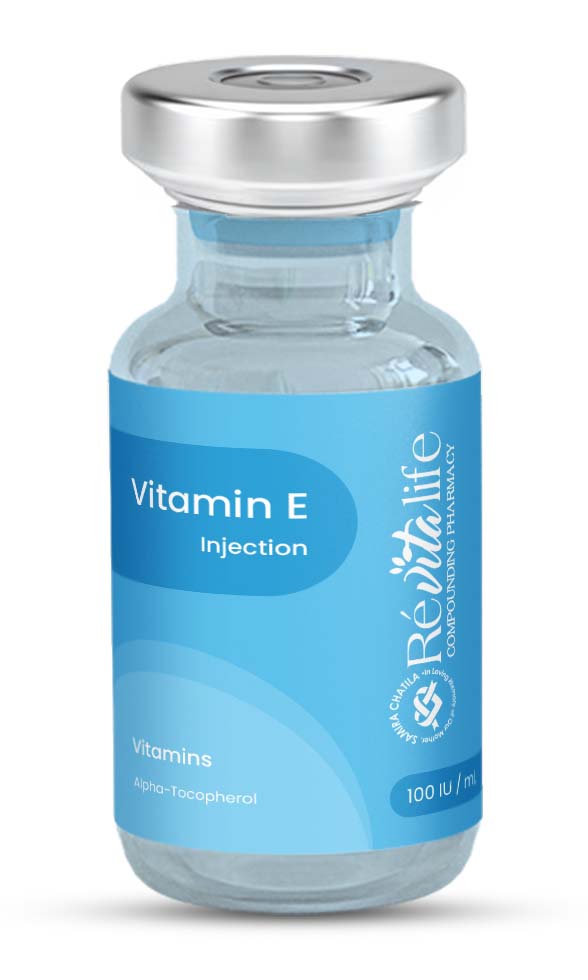
Vitamin E Injection
Available Dosage Strengths
about Vitamin E Injection
Vitamin E refers to a group of fat-soluble compounds (tocopherols and tocotrienols). α-Tocopherol is the most biologically active form in humans.
IV or parenteral vitamin E is provided mainly as:
- Alpha-tocopherol injectable solutions (often in mixed emulsions for TPN)
- Alpha-tocopheryl acetate, alpha-tocopheryl succinate (prodrug forms; hydrolyzed in vivo)
- Lipid-based emulsions designed for infusion
Primary Clinical Uses of IV Vitamin E:
- Patients on total parenteral nutrition (TPN), especially premature infants
- Severe fat-malabsorption syndromes (e.g., cholestatic liver disease, short bowel syndrome)
- Severe vitamin E deficiency with neurologic manifestations
- Situations in which oral/IM therapy is not feasible or not absorbed
Dosage
Exact dosing must follow manufacturer guidelines and clinical judgment based on age, weight, and indication.
A. Adults (TPN or Deficiency)
- 5–10 mg/day of α-tocopherol equivalents as part of multivitamin IV infusions
- Some protocols allow up to 15 mg/day when deficiency is confirmed
- Higher therapeutic doses (50–100 mg/day IV) have been used in severe deficiency, but require specialist oversight
B. Pediatrics
- Preterm infants on TPN: 8–3.5 mg/kg/day
- Term infants and children: 7–10 mg/day, adjusted individually
Important Notes
- Vitamin E should never be administered as a bolus/injection directly into a vein; it must be diluted in a compatible infusion solution (usually lipid emulsions or TPN formulations).
- Parenteral vitamin E is typically included as part of multivitamin formulations rather than given alone.
Mechanisms of Action
A. Antioxidant Activity
- Vitamin E is the primary lipid-soluble antioxidant in human cell membranes.
- Protects phospholipid bilayers from oxidative damage by scavenging free radicals (reactive oxygen species).
- Prevents lipid peroxidation and propagation of oxidative chain reactions.
B. Cellular and Molecular Actions
- Stabilizes cellular membranes, especially in high-metabolic tissues: brain, liver, muscle, and retina.
- Interacts with vitamin C, glutathione, and selenium to maintain redox balance.
- Regulates gene expression related to inflammation, apoptosis, and cell signalling.
C. Hematologic Effects
- Prevents hemolysis due to oxidative stress, especially in premature infants with deficient antioxidant capacity.
D. Neurologic Effects
- Maintains integrity of neurons, particularly in the posterior columns and cerebellum.
- Deficiency leads to neuropathy, ataxia, and impaired reflexes—key reason for therapeutic supplementation.
E. Immunologic Effects
- Enhances cell-mediated and humoral immunity, especially in vitamin E–deficient states.
Contraindications & Precautions
Absolute Contraindications
- Known hypersensitivity to tocopherol or formulation components
- Hypervitaminosis E (rare but possible)
- Severe coagulation disorders with unexplained bleeding unless treated
Relative Contraindications / Use With Caution
- Vitamin K deficiency, anticoagulation disorders
- Concomitant anticoagulant therapy (e.g., warfarin) – vitamin E may increase bleeding risk
- Active bleeding (GI, intracranial, or surgical)
- History of hemorrhagic stroke – high-dose vitamin E may raise risk
- Patients with hepatic impairment (affects lipid metabolism)
- Renal failure, where accumulation of lipid-based carriers may occur
- Preterm neonates – risk of sepsis or necrotizing enterocolitis if excessive or undiluted formulations are used
Drug & Nutrient Interactions
A. Drug–Drug Interactions
- Anticoagulants (warfarin, heparin): ↑ risk of bleeding due to vitamin E’s antiplatelet effects
- Antiplatelet agents (aspirin, clopidogrel): additional bleeding risk
- Chemotherapy (e.g., anthracyclines, alkylating agents): theoretical reduction in oxidative stress needed for anti-cancer activity; avoid high-dose supplementation unless approved by oncology
- Cyclosporine: high doses may alter drug disposition
- Iron supplements: large doses of both may affect absorption and increase oxidative reactions (mostly oral relevance)
B. Drug–Nutrient Interactions
- Vitamin K antagonism → can worsen coagulopathy or affect INR
- Works synergistically with vitamin C (which regenerates oxidized vitamin E)
- Requires adequate lipid transport for tissue distribution
Adverse Reactions / Side Effects
A. Common
- Generally well tolerated at physiologic doses
- Injection site irritation if not properly diluted
- Mild gastrointestinal or systemic effects in TPN settings: nausea, fatigue
B. Moderate to Severe (Usually Dose-Related)
- Bleeding tendency / coagulopathy
- Inhibition of platelet aggregation
- Potentiation of anticoagulants
- Hyperlipidemia (from lipid emulsion used as carrier)
- Sepsis risk in neonates when high IV doses used (related to lipid emulsions)
C. Rare
- Allergic reactions
- Fat overload syndrome if large lipid emulsions infused too rapidly
- Hemorrhagic stroke association at very high oral doses (≥400 IU/day), relevance to IV dosing unclear but caution advised
Pregnancy & Breastfeeding
Pregnancy
- Vitamin E is essential for normal fetal development.
- Parenteral vitamin E is not routinely needed during pregnancy unless the mother is on TPN or has severe malabsorption.
- Excess supplementation may be associated with:
- premature rupture of membranes (historical data, mixed evidence)
- increased bleeding risk
Breastfeeding
- Vitamin E is secreted into breast milk.
- Parenteral supplementation at physiological doses is generally considered safe.
- High or pharmacologic doses should be avoided unless medically justified.
General Guideline:
Supplement only to correct deficiency or meet nutritional needs in TPN—not for cosmetic or non-medical uses.
Storage
- Store at 20–25°C (68–77°F) unless otherwise specified.
- Protect from light and air, as vitamin E oxidizes easily.
- Do not freeze.
- Ensure proper handling of lipid emulsions to avoid contamination.
- Inspect for particulate matter or separation before use.
References
(Authoritative pharmacologic and clinical references; no URLs included)
- Traber MG, Atkinson J. Vitamin E, antioxidant and nothing more. Free Radic Biol Med.
- Food and Nutrition Board, Institute of Medicine. Dietary Reference Intakes for Vitamin C, Vitamin E, Selenium, and Carotenoids.
- Merck Manual Professional Edition – Vitamin E deficiency and therapy.
- UpToDate – “Vitamin E: Drug information,” and “Vitamin E deficiency: Clinical manifestations.”
- ESPEN Guidelines on parenteral nutrition micronutrient supplementation.
- American Society for Parenteral and Enteral Nutrition (ASPEN) – Recommendations for micronutrient dosing in TPN.
- British National Formulary (BNF) – Vitamin E monograph.
- European Medicines Agency (EMA) – Product data for injectable vitamin preparations.